
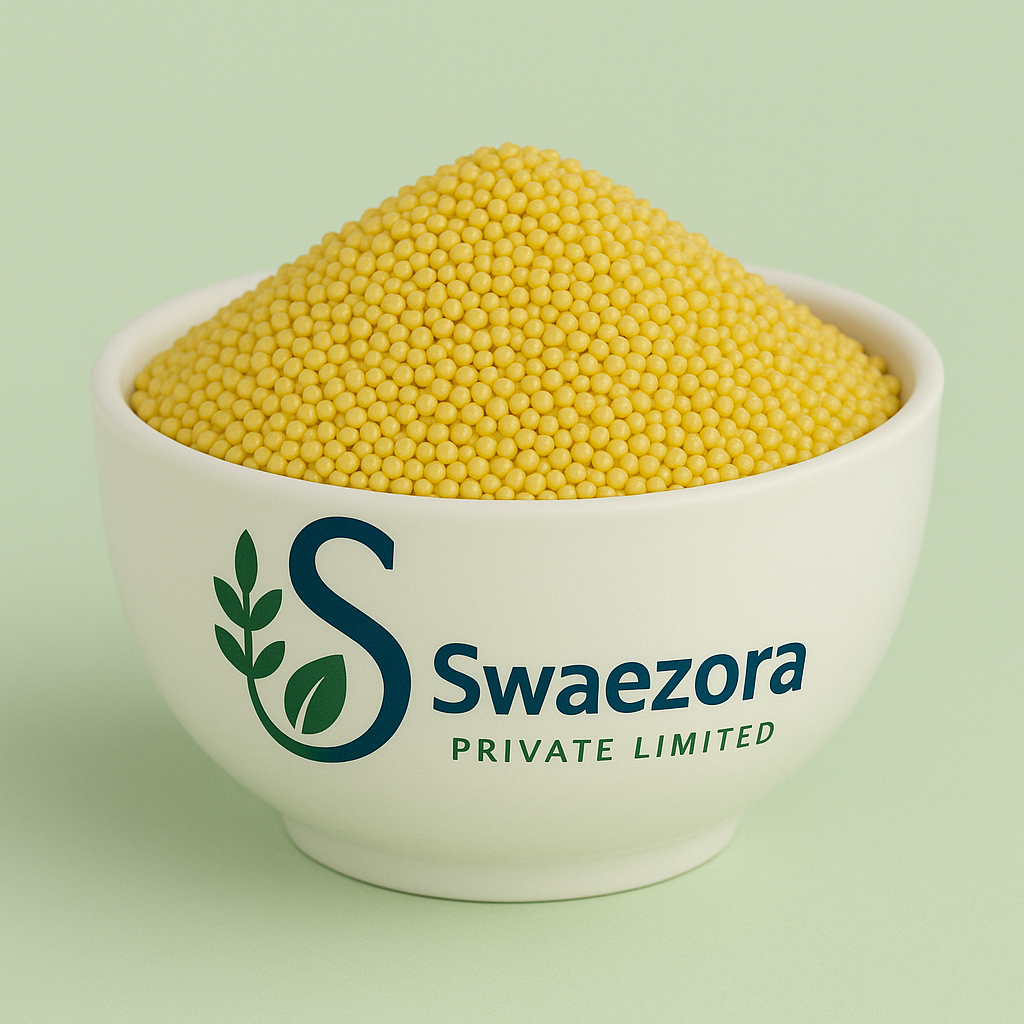
Foxtail Millet
தினை
Foxtail millet, known scientifically as Setaria italica, is an ancient cereal grain that has been cultivated for thousands of years, primarily in Asia and Africa. This resilient and nutritious grain has gained popularity in recent years due to its numerous health benefits and adaptability to various climates and soils. Foxtail millet is characterized by its small, round seeds that vary in color, typically ranging from yellowish to light brown. ### Nutritional Benefits Foxtail millet is often hailed as a superfood because of its impressive nutritional profile. It is rich in protein, fiber, and essential minerals such as iron, magnesium, and phosphorus. In addition, it contains a range of vitamins, particularly B vitamins like niacin, thiamine, and riboflavin, which play vital roles in energy metabolism and overall health. One of the standout features of foxtail millet is its low glycemic index, making it an excellent choice for those managing diabetes or looking to control blood sugar levels. The high fiber content also promotes digestive health and may aid in weight management by enhancing the sensation of fullness. ### Culinary Uses Foxtail millet can be prepared in various ways, making it an incredibly versatile ingredient in the kitchen. It can be cooked as a whole grain, akin to rice or quinoa, or ground into flour for baking. Foxtail millet flour is a gluten-free option that can be used to make rotis, pancakes, or even snacks like energy bars. In addition to being used in traditional dishes, it can be tossed into salads for added texture or used as a base for pilafs and casseroles. Its mild, nutty flavor makes it a delightful addition to both savory and sweet recipes. ### Agronomic Importance From an agricultural perspective, foxtail millet is a drought-tolerant crop that can thrive in marginal soils with low fertility, making it crucial for food security in arid and semi-arid regions. Its ability to withstand climate change effects and require less water compared to other grains contributes significantly to sustainable agriculture practices. The plant grows relatively quickly, with a growing cycle ranging from 60 to 100 days, allowing for multiple harvests in a single season under suitable conditions. This feature not only increases food production but also provides farmers with more income opportunities. ### Health Impacts The consumption of foxtail millet is associated with various health benefits. Regular incorporation into the diet may help lower the risk of chronic diseases, including cardiovascular issues and obesity. The antioxidants present in foxtail millet also play a role in combating oxidative stress and inflammation in the body. Additionally, its prebiotic fibers nourish beneficial gut bacteria, further enhancing digestive health. As awareness of the benefits of whole grains continues to rise, foxtail millet offers a practical and nutritious alternative to more commonly consumed grains. ### Cultural Significance In many cultures, foxtail millet holds a significant place in traditional diets and culinary practices. In India, for instance, it is often referred to as 'Kangni' or 'Tenna' and is used in various regional dishes. Festivals and celebrations often feature dishes made from foxtail millet, reflecting its deep-rooted cultural importance. Similarly, in parts of Africa, it serves as a staple food and is a key ingredient in traditional brewing. The resurgence in interest in indigenous grains, including foxtail millet, highlights the importance of preserving food heritage and promoting local agricultural practices. ### Conclusion Foxtail millet is more than just a grain; it is a symbol of nutritional soundness, agronomic resilience, and cultural heritage. As global nutritional challenges mount, the reintroduction and promotion of traditionally cultivated grains such as foxtail millet may play a pivotal role in addressing modern dietary deficiencies while supporting sustainable agricultural practices. Whether you are looking to enhance your health, diversify your cooking repertoire, or support sustainable farming, foxtail millet presents an excellent choice that merits attention in both our kitchens and our diets.
+91-9488077993
0422-3589977
info@swaezora.com
Copy rights © 2025 Swaezora Private Limited . All rights reserved.
No.222,Manjeeswari Colony, K K Pudur Road,
Kovil Medu, Velandipalayam Post
Coimbatore-641025,Tamil Nadu,India
GET IN TOUCH



QUICK LINKS
QUICK INQUIRY
